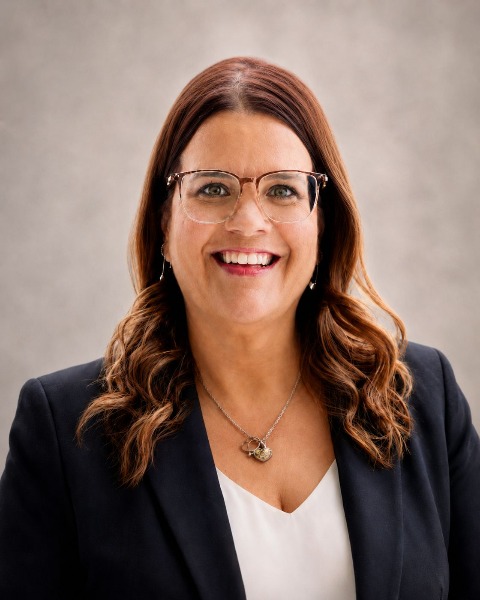
Administrative Sergeant of Communications Okeechobee County Sheriff's Office Okeechobee, Florida
What if the future of 911 recruitment begins in the classroom? This session highlights how Okeechobee County Sheriff’s Office launched a high school Public Safety Telecommunicator program to introduce students to emergency communications. Learn how partnerships, standards-aligned lessons, simulations, and real-world exposure can prepare students for certification and create a sustainable pipeline into 911 careers.
Learning Objectives:
Identify the key components needed to build a high school Public Safety Telecommunicator program, including curriculum design, certification requirements, and instructional strategies.
By the end of this activity, participants will be able to identify the essential components required to build a high school Public Safety Telecommunicator (PST) program, including:
1. Core knowledge requirements such as state PST standards, certification expectations, and foundational 911 competencies.
2. Curriculum design elements including classroom instruction, hands-on skill development, scenario-based training, and exposure to real PSAP operations.
3. Instructional strategies that support adolescent learners, promote confidence, and develop communication, multitasking, and situational awareness skills.
Explain how agency collaboration between public safety, education partners, and community organizations supports program success and creates a sustainable 911 workforce pipeline.
By the end of this activity, participants will be able to explain how cross-agency collaboration strengthens and sustains a high school PST program, including:
1. Understanding partnership roles between the Sheriff’s Office, Fire Department, local CTE program, and Education Foundation.
2. Recognizing shared responsibilities such as curriculum support, funding, equipment, mentorship, and real-world exposure.
3. Identifying strategies for building and maintaining successful inter-agency relationships that support long-term workforce development and student success.
Apply practical tools, templates, and implementation strategies to develop or enhance early-training programs that prepare students for real-world emergency communications roles.
By the end of this activity, participants will be able to apply practical tools and implementation strategies to develop or enhance youth-based 911 workforce programs, including:
1. Adapting curriculum templates, lesson plans, and simulation activities for their own agency or school partners.
2. Implementing best practices for scenario training, student engagement, and real-world PSAP exposure.
3. Developing an action plan to launch or expand early-training initiatives that prepare students for real emergency communications environments.