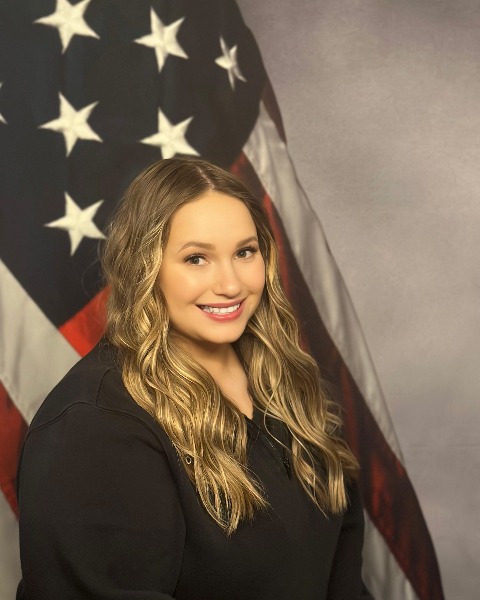
Operations Dispatcher Metro Nashville Department of Emergency Communications NASHVILLE, Tennessee
This presentation explores how 911 dispatchers can effectively support juveniles and young adults with autism throughout the call process and in the critical moments before responders arrive. It covers agency procedures that enhance call handling, key questions that help identify autism-related needs, and the essential information dispatchers should communicate to field units. Drawing on both professional experience and personal insight as a dispatcher and parent of children with autism, this session offers a practical and compassionate framework for improving response strategies.
Learning Objectives:
At the culmination of this session, participants will be able to accurately identify behavioral, sensory, and communication characteristics commonly exhibited by juveniles with autism, distinguishing these traits from signs of defiance or aggression.
At the culmination of this session, participants will be able to develop and apply structured questioning techniques to obtain key information from callers—such as known triggers, preferred calming methods, and communication abilities—to improve the accuracy of their initial call assessment.
At the culmination of this session, participants will be able to compile and relay autism-specific information clearly and concisely to field personnel, ensuring responders are informed about the juvenile’s needs and potential stressors before arrival while also operating within their own agencies policies and procedures.